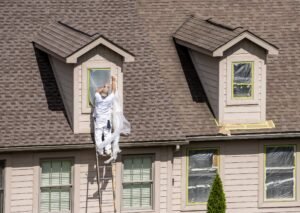
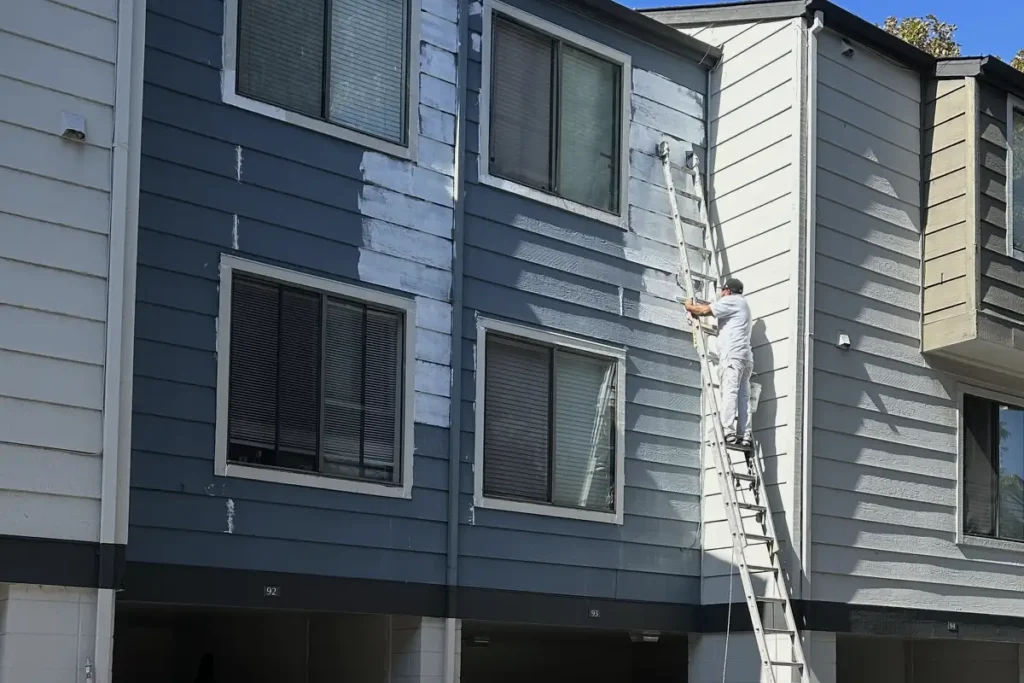
An HOA exterior painting project moves through a few predictable phases: planning and color approval, resident communication, surface preparation, painting building by building, and a final walkthrough. A well-run project is defined less by the painting itself and more by the coordination around it — clear scheduling, consistent communication, and a contractor who understands how to work across an occupied community.
If you sit on a board or manage a community, knowing what a professional project looks like helps you set expectations with residents and choose the right contractor. Here is how a typical project unfolds.
Planning and Scope
Every project starts with defining scope: which buildings, which surfaces, what repairs are included, and what the timeline looks like. A thorough contractor will walk the property, document conditions, and flag issues like dry rot, failing caulk, or stucco cracks that should be addressed before paint goes on. Across the Bay Area, varied microclimates mean one elevation of a building may weather very differently than another, so a careful assessment matters.
This is also when budget and phasing are set. Larger communities are often painted in phases across weeks or months, which spreads cost and minimizes disruption.
Color Approvals
Color is one of the most sensitive parts of an HOA project because the result is community-wide and long-lasting. Most associations work from an approved palette or select new schemes that the board — and sometimes the broader membership — must approve. Expect a process that includes color samples applied to actual buildings so the board can see how schemes read in real light before a final vote.
Building in time for approvals prevents delays later. A contractor experienced with HOA and multi-family painting will know to sequence this step early.
It also helps to think about consistency across the whole community at this stage. Confirming trim, accent, and body colors together — and how they will look on every building, not just one — avoids surprises once painting is underway across the property.
Resident Communication
Clear, advance communication is what keeps residents satisfied during a large project. Professional crews coordinate written notices that tell residents when work will reach their building, what they need to do (move patio items, keep windows closed, relocate vehicles), and how access to garages, walkways, and entries will be handled.Advance notice before crews reach each building or unit.
Clear instructions for patios, balconies, and personal items.
Parking and access guidance during work hours.
A point of contact for questions or concerns.
Surface Preparation
Preparation is where a lasting paint job is won or lost. Expect pressure washing, scraping, sanding, caulking, priming bare spots, and repairing damaged surfaces before any finish coat. On exteriors exposed to Bay Area sun, wind, and coastal moisture, thorough prep is what determines how long the new paint will hold up. A contractor who rushes this stage is one to avoid.
Painting and Consistency
During application, consistency is the priority — the same products, colors, and standards across every building so the community looks unified when the project is done. Crews typically work building by building, keeping the site clean and secured each day. Consistency also means matching sheens and documenting exact colors so future touch-ups blend seamlessly.
Final Walkthrough and Documentation
At the end, expect a walkthrough with the board or manager to review the work, create a punch list of any touch-ups, and confirm everything meets the agreed standard. A professional contractor will also leave color and product records for maintenance down the road, which protects the community’s investment and simplifies future exterior painting and upkeep.
Frequently Asked Questions
How long does an HOA exterior painting project take?
It depends on the number of buildings, square footage, and weather, but larger communities are often phased over several weeks. A contractor should give you a realistic schedule up front and update it as the project progresses.
How are residents kept informed?
Through written notices and a clear point of contact. Good communication — advance notice, access instructions, and updates — is the single biggest factor in keeping residents satisfied.
What should the board prepare before painting starts?
Finalize the scope, approve colors, and align on the communication plan and schedule. Handling approvals early keeps the project on track.